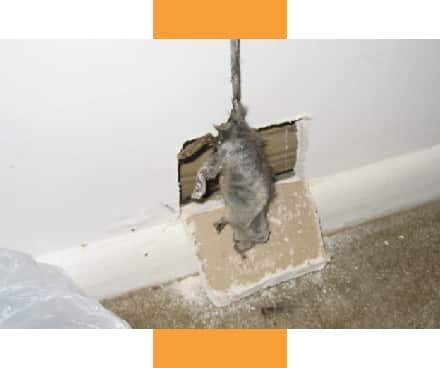
A dead animal in your home is more than an unpleasant sight. Whether it's a rodent, a bird or a larger animal, a decomposing carcass can cause a range of problems that are worth dealing with quickly.
Problems a Dead Animal Can Cause
1. Strong Smell
As decomposition progresses, a strong, unpleasant smell can build up and spread through rooms, and it can be hard to trace where it is coming from.
2. Stains and Damage
Fluids from a carcass can soak into ceilings, insulation, carpets and timber, leaving stains that are difficult to remove.
3. Flies
Flies are attracted to a carcass and can quickly become a nuisance inside the home.
4. Attracting Scavengers
The smell of a carcass can attract other animals to the area, which can lead to more problems.
5. Lingering Effects
Even after the carcass is gone, residue can remain in walls, insulation and other porous materials if the area isn't cleaned properly.
Immediate Steps If You Discover a Dead Animal
1. Identify the Source
Follow the smell to find where the animal is. Common places include roof voids, crawlspaces, basements and wall cavities. If you can't access it, call a removal service.
2. Wear Protective Gear
Always wear disposable gloves, a mask and protective clothing when handling any animal.
3. Remove the Carcass
Use a shovel or tongs, place the animal in a strong plastic bag, double-bag it and seal it well.
4. Clean the Area
Clean the affected area with a household cleaner and replace any badly affected materials, such as insulation.
5. Ventilate the Space
Open windows and doors to let fresh air circulate, and use fans to improve airflow.
Why Dead Animal Removal Help Is Worth It
- Thorough clean-up: A removal team makes sure the carcass, fluids and residue are properly dealt with.
- Safe handling: They have the tools and protective gear to handle the job without mess.
- Hard-to-reach areas: Carcasses inside walls, roof voids and other confined spaces need specialised equipment.
Preventing Dead Animals in Your Home
- Seal entry points: Inspect your home for cracks, gaps and holes, and seal them with caulk, steel wool or mesh.
- Maintain your yard: Trim trees and bushes that give animals access to your roof, and keep rubbish sealed.
- Regular inspections: Check your roof space and subfloor regularly for signs of animal activity.
Conclusion
Acting quickly when you discover a dead animal helps limit smells, stains and damage. For same-day and 24/7 emergency dead animal removal, call David's Dead Animal Removal.