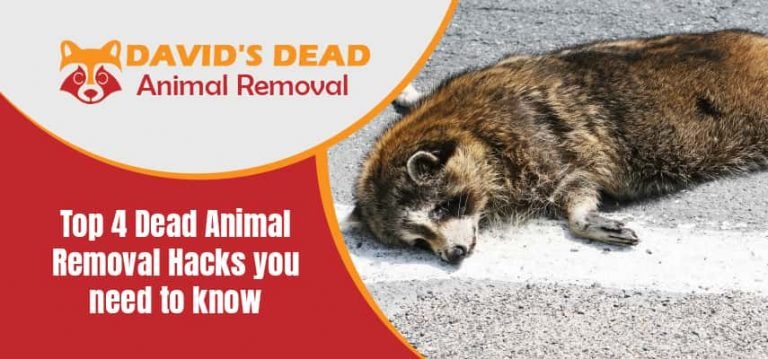
When you find a dead animal on your property, it's best to deal with it promptly. Left alone, it can attract flies and scavengers, stain surfaces and become harder to remove. Here are four practical tips from the team at David's Dead Animal Removal.
1. Protect Yourself First
Wear disposable gloves and old clothing, and wash your hands thoroughly afterwards. Keep children and pets away from the area while you work. If you don't feel comfortable, it's always fine to call a removal service.
2. Confirm the Animal Has Died
Before you try to remove an animal, make sure it has actually died. Watch it from a distance for a few minutes. If you're unsure, or the animal could be injured rather than dead, call your local wildlife rescue or vet - don't touch it.
3. Remove It Safely
For a small animal, you can use a shovel or thick gloves to place the animal into a strong plastic bag, then seal it and double-bag it. Avoid touching it with bare hands. Take care with roof voids, wall spaces and other tight areas - these are best left to a removal team with the right equipment.
Once the animal is removed, clean the area with a household cleaner and wash the tools and gloves you used.
4. Know When to Call for Help
Call a dead animal removal service if:
- you can smell the animal but can't find it
- it's in the roof, in a wall or under the house
- it's a large animal, such as a dog or a possum
- there is more than one animal
- you'd simply rather not handle it
Dead Animals on Roads and Public Land
If you find a dead animal on a road or public land, contact your local council or the relevant roads authority - they are usually responsible for removal. If the animal may be a pet, a vet may be able to check for a microchip.
Conclusion
These four tips will help you deal with a dead animal more safely. If you'd prefer some help, David's Dead Animal Removal is available in Melbourne, Sydney, Brisbane, Perth, Canberra and Adelaide, with same-day and 24/7 emergency service.